

The Plumbing Checks Worth Making Before Winter Arrives.
As the evenings get darker and the temperature starts to drop, most of us begin getting our homes ready for winter.
The heating goes back on, the thicker duvets come out and we start spending a little more time indoors. But there are a few less obvious jobs around the home that are worth checking too, particularly when it comes to your plumbing.
Cold weather can put extra pressure on pipes, taps and plumbing systems, and a small issue that’s barely noticeable now can become a much bigger inconvenience when temperatures fall.
The good news is that a little preparation can go a long way.
Here are some simple plumbing checks worth making before winter properly arrives.
1. Find Your Stop Tap And Make Sure You Can Turn It
Would you know how to turn off the water to your home if you suddenly had a leak or burst pipe?
If the answer is no, you’re definitely not alone.
Your internal stop tap controls the mains water supply coming into your property and, in an emergency, being able to turn it off quickly can help limit water damage.
It’s commonly found underneath the kitchen sink, although depending on the property it may be in a utility room, cupboard, garage, cellar or underneath the stairs.
Take a few minutes to locate yours and make sure it isn’t stuck or difficult to operate.
Hopefully you won’t need it this winter but if you do, you’ll be very glad you know where it is.
2. Don’t Ignore That Dripping Tap
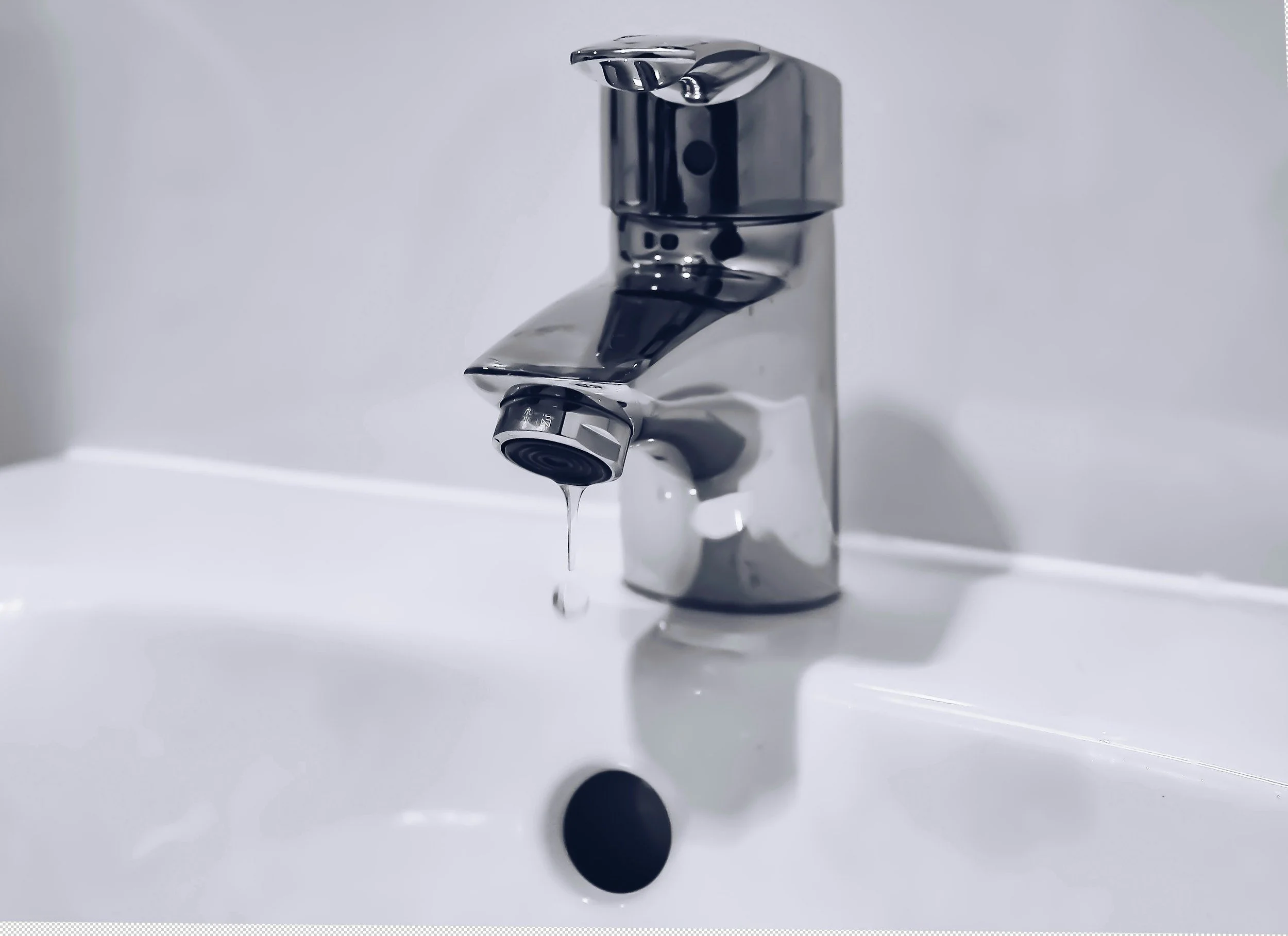
That little drip you’ve been meaning to sort out?
Now is a good time to deal with it.
Dripping taps and small leaks waste water throughout the year, but colder temperatures can introduce another problem. Water around exposed pipework and taps can freeze, potentially contributing to blockages and damage.
Have a quick look around your home for anything that doesn’t seem quite right.
Check underneath sinks, around toilets, behind appliances where accessible and around visible pipework for dripping water, damp patches or signs of a slow leak.
Small plumbing problems are usually much nicer to deal with before they become emergency plumbing problems.
3. Give Your Outside Taps Some Attention
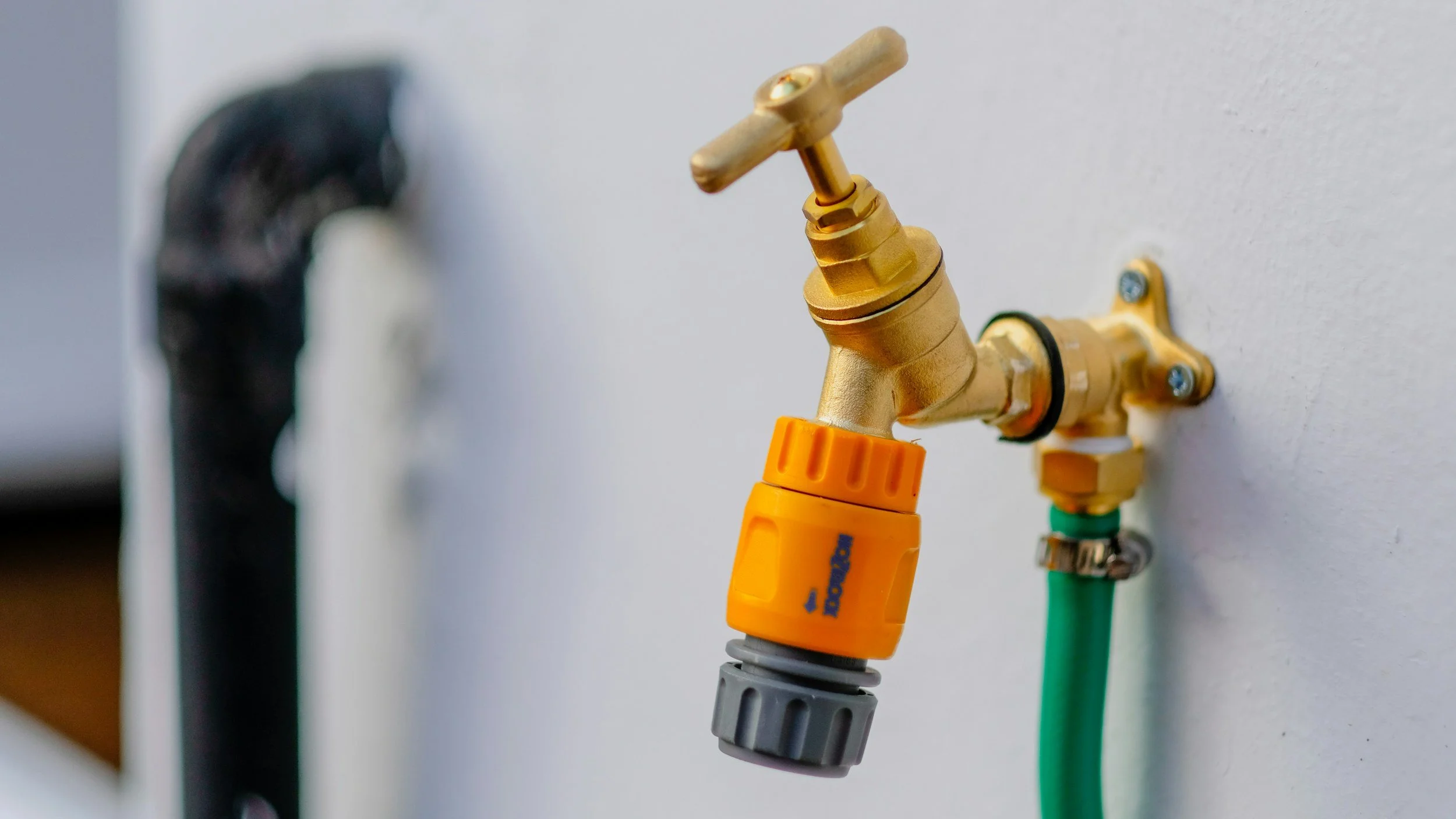
Once summer is over, the outside tap can easily be forgotten until spring.
Before temperatures drop, disconnect hosepipes and check outside taps and exposed pipework for any leaks or damage.
Where appropriate, outside taps and vulnerable external pipework can also be insulated to give them some extra protection against freezing temperatures.
If an outside water supply won’t be needed at all during winter and can be safely isolated and drained, that’s another option worth considering.
4. Check Pipes in Colder Parts of Your Home
Not all of your home’s plumbing benefits from the warmth of your living spaces.
Pipework running through lofts, garages, outbuildings and other unheated areas can be particularly vulnerable when temperatures fall below freezing.
Have a look at any accessible pipework in these areas and check whether it’s adequately insulated.
Pipe insulation - often called lagging - helps protect vulnerable pipes from freezing. If you’re unsure which pipes need protecting or whether existing insulation is adequate, ask a plumber for advice.
5. Keep an Eye Out for Small Signs of Trouble
Plumbing problems don’t always begin with water pouring through the ceiling.
Sometimes the first indication is much smaller.
You might notice:
A tap that won’t stop dripping
Water pressure that seems different from usual
Damp patches or unexplained moisture
A toilet that continues running after flushing
Water collecting underneath a sink or appliance
Unusual noises from pipes
An outside tap or pipe that appears damaged
None of these automatically means there’s a serious problem, but they’re worth investigating rather than waiting to see if they get worse.
What If a Pipe Does Freeze?
Even with preparation, very cold weather can sometimes cause a pipe to freeze.
Signs can include little or no water coming from a tap, visible frost on exposed pipework or unusual noises from your plumbing or heating system.
If you suspect a frozen pipe, turn off the water supply at your stop tap and seek advice if you’re unsure what to do next.
Frozen pipes should be thawed slowly and carefully. Never use a naked flame or blowtorch to try to heat a frozen pipe.
And if you discover that a pipe has burst, turn off the water supply as quickly as possible and contact a plumber.
Going Away This Winter?
If you’re planning a winter break or visiting family over Christmas, there are a few additional precautions worth taking while your home is empty.
Keeping some heat in the property, protecting vulnerable pipework and making sure someone knows how to access your home in an emergency can all be helpful.
We’ll be covering this in more detail in our December blog, with a simple guide to protecting your home’s plumbing and heating while you’re away.
A Few Checks Now Could Save a Lot of Stress Later

Most winter plumbing preparation isn’t complicated.
Knowing where your stop tap is, sorting that annoying drip and checking vulnerable pipes might only take a little time, but it means your home is better prepared when colder weather arrives.
And if you spot something you’re not comfortable dealing with yourself, that’s where we come in.
With more than 30 years’ experience in plumbing and heating, the Allen’s Plumbing & Heating team helps homeowners across Colchester and the surrounding areas with everything from everyday plumbing repairs to heating, boiler servicing and larger home projects.
If something doesn’t look quite right, or you’d simply like some advice before winter arrives, get in touch with our friendly team.