

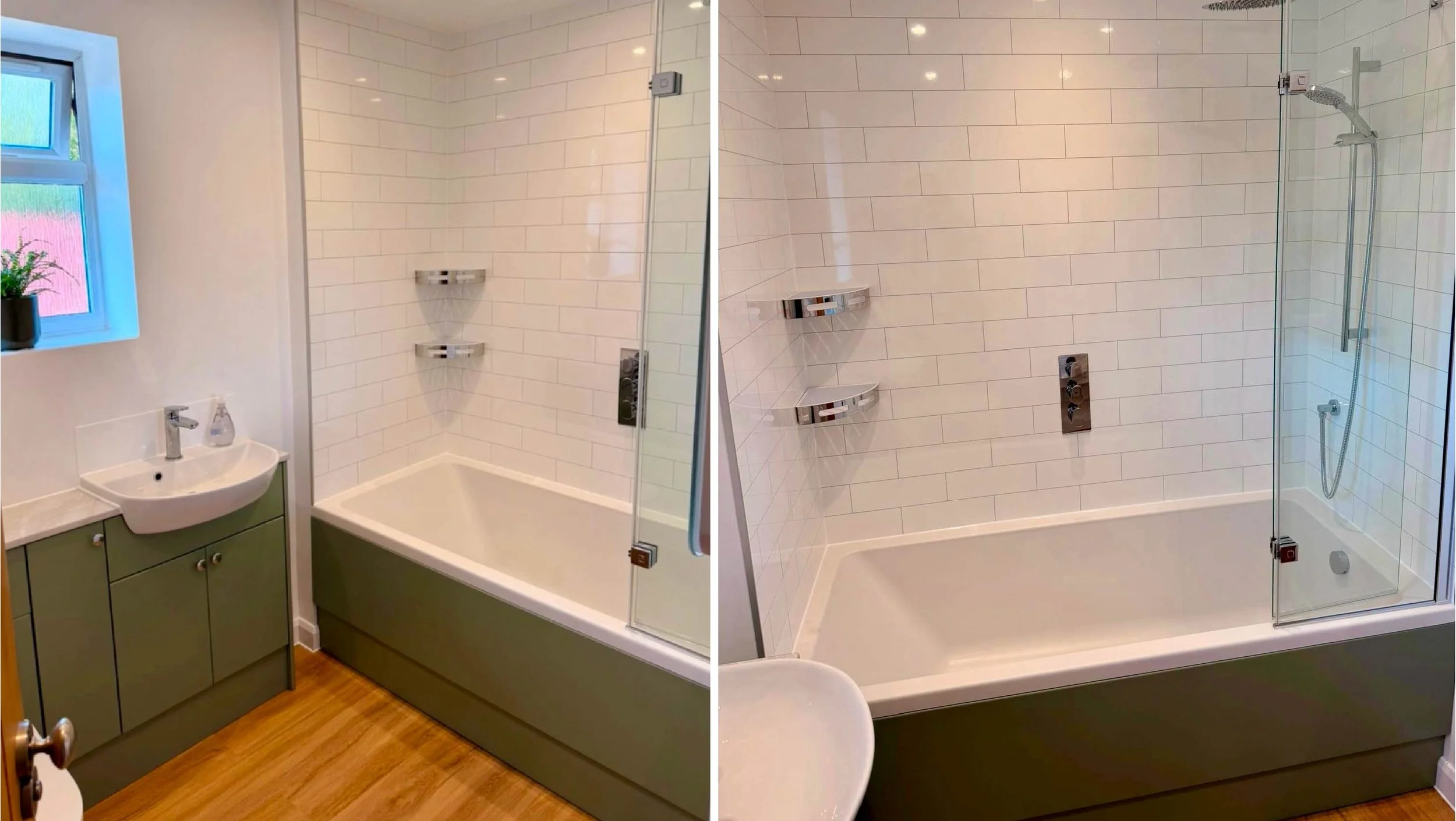
A new bathroom can make a real difference to your home.
Whether you’re dreaming of a relaxing space to unwind, updating a tired family bathroom or simply looking for something more practical, a bathroom refurbishment is an opportunity to create a space that works better for you.
But before you start choosing tiles, taps and bathroom furniture, there are a few important things worth thinking about.
From the layout and plumbing to storage, lighting and everyday practicality, getting the planning right from the beginning can make the whole process much smoother.
Here are some of the key things to consider before starting your bathroom refurbishment.
1. Think About How You Use Your Bathroom
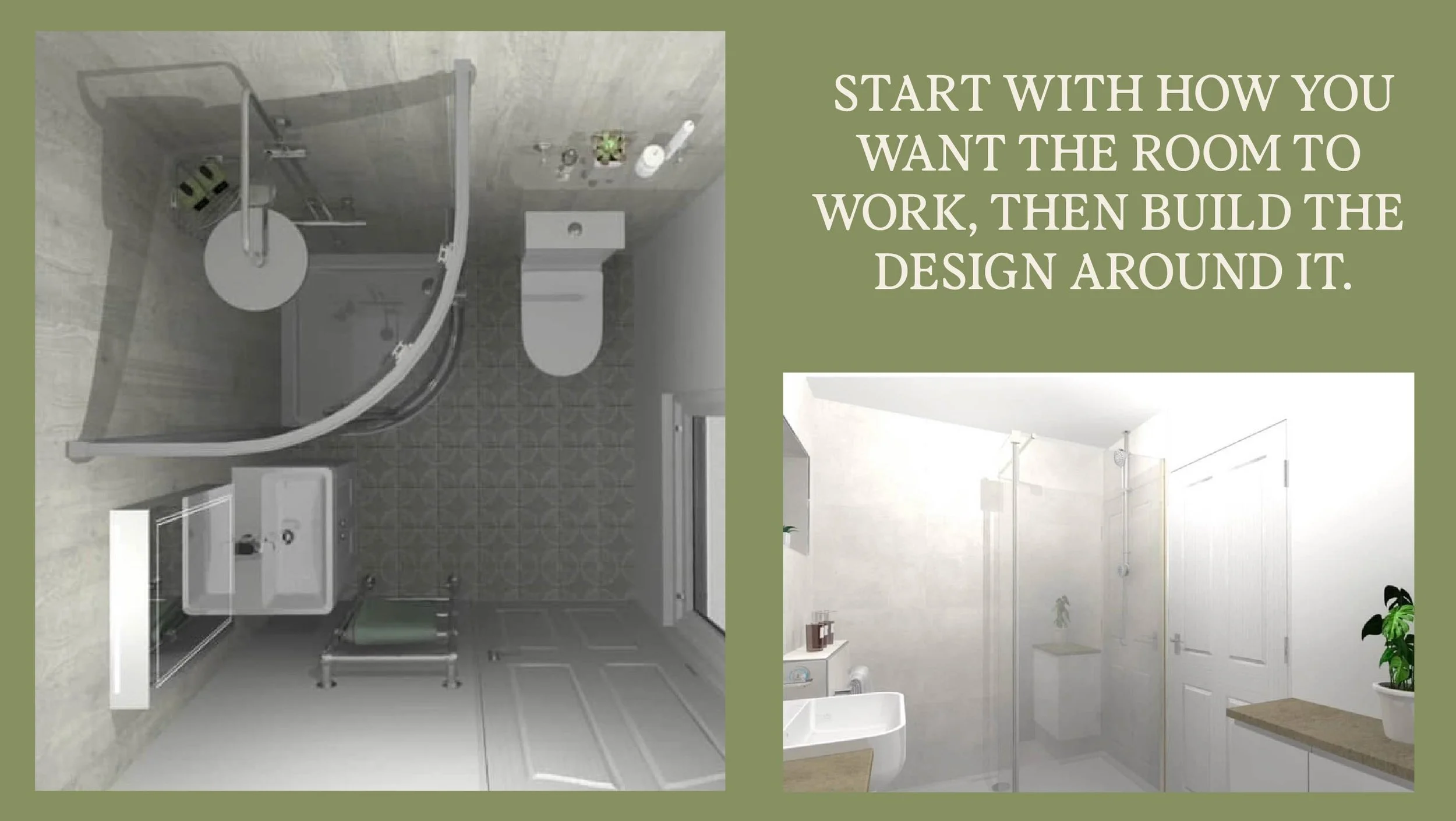
Before getting caught up in colours and finishes, think about what you actually need from the space.
A busy family bathroom will have very different requirements from a small ensuite or a bathroom designed with accessibility in mind.
Ask yourself:
• Do you need a bath, a shower or both?
• Is there enough storage for everyday essentials?
• Would a larger shower to make better use of the space or maybe even
a wet room?
• Is the current layout working for your household?
• Are there any accessibility or mobility requirements to consider?
It’s easy to fall in love with a particular bathroom design, but the best bathrooms aren’t just beautiful, they’re practical too.
Start with how you want the room to work, then build the design around it.
2. Get the Layout Right
The layout is one of the most important decisions you’ll make when planning a new bathroom.
Moving a bath, toilet or basin might seem straightforward on paper, but what’s possible will depend on the existing plumbing, drainage and available space.
For example, relocating a toilet can involve additional drainage work, while moving a shower or basin may require changes to the water supply and waste pipes.
That doesn’t mean you have to keep everything exactly where it is.
Sometimes a different layout can completely transform how a bathroom feels and functions.
However, understanding what’s practical before committing to a design can help avoid unnecessary complications and unexpected costs.
An experienced bathroom installer can assess the existing space and help you understand which changes are achievable.
3. Consider What’s Happening Behind the Walls
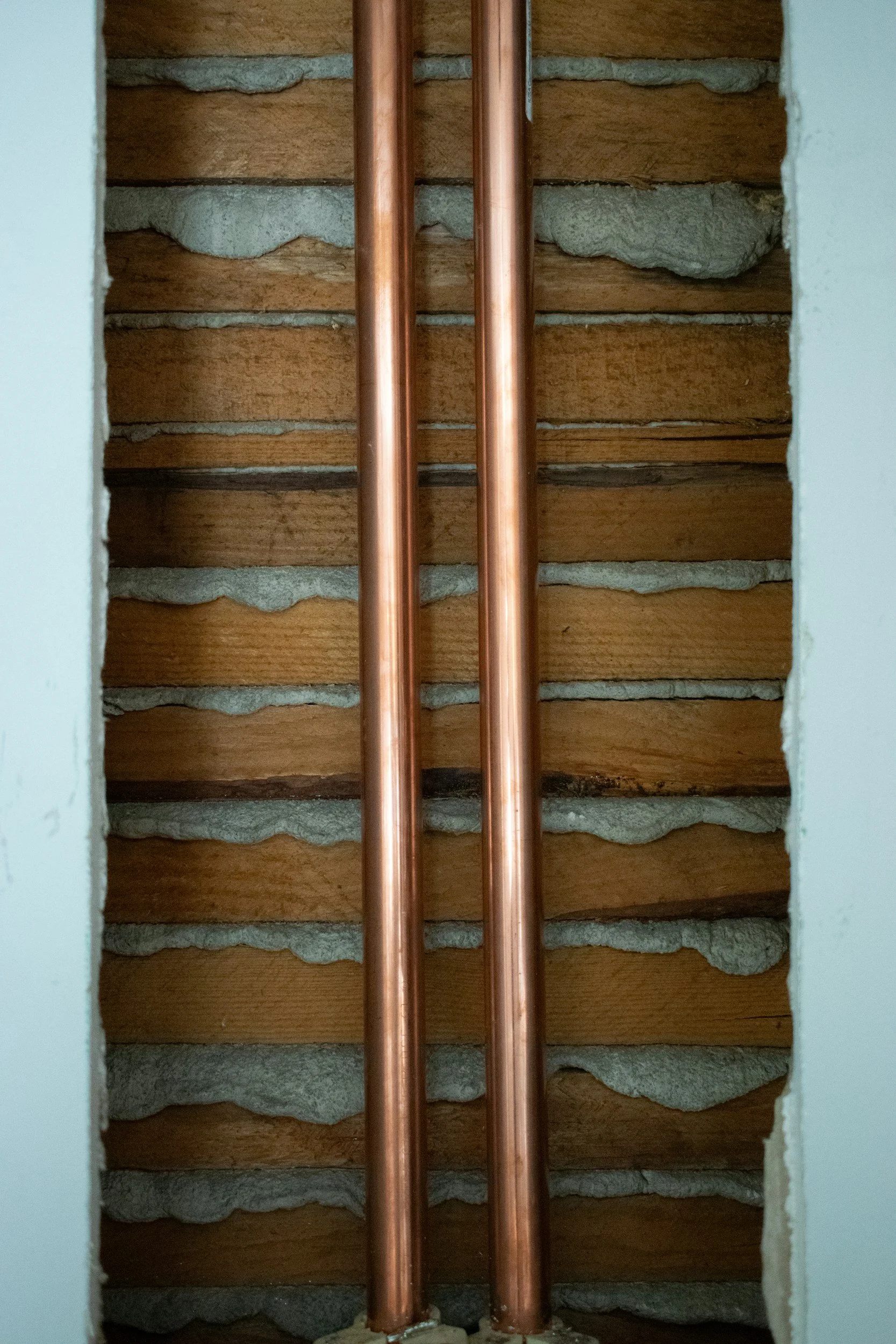
When planning a bathroom refurbishment, it’s natural to focus on everything you’ll see once the work is finished.
But what’s happening behind the tiles and beneath the floor is just as important.
Depending on the age and condition of your bathroom, a refurbishment may involve:
• Updating existing pipework
• Adjusting water supply and drainage
• Checking for hidden leaks or water damage
• Preparing walls and floors for new fittings
• Ensuring suitable waterproofing in wet areas
• Making provision for ventilation
These aren’t necessarily the most exciting parts of a bathroom renovation, but they’re essential considerations.
A beautiful bathroom needs solid foundations, and addressing potential problems during the refurbishment can help avoid issues further down the line.
4. Choose Fixtures That Suit Your Space
From freestanding baths and rainfall showers to vanity units and statement taps, there’s no shortage of choice when it comes to bathroom fixtures.
But it’s worth considering more than just how something looks.
Think about the available space, water pressure, ease of cleaning and how the fixtures will stand up to everyday use.
For example, a large freestanding bath might look fantastic in a showroom, but it may not be the most practical choice for a smaller family bathroom.
Similarly, the type of shower you choose will need to be compatible with your home’s plumbing and hot water system.
The aim is to find the right balance between style, comfort and practicality.
A little advice at the planning stage can help you make choices you’ll still be happy with years down the line.
5. Don’t Forget Storage, Lighting and Ventilation
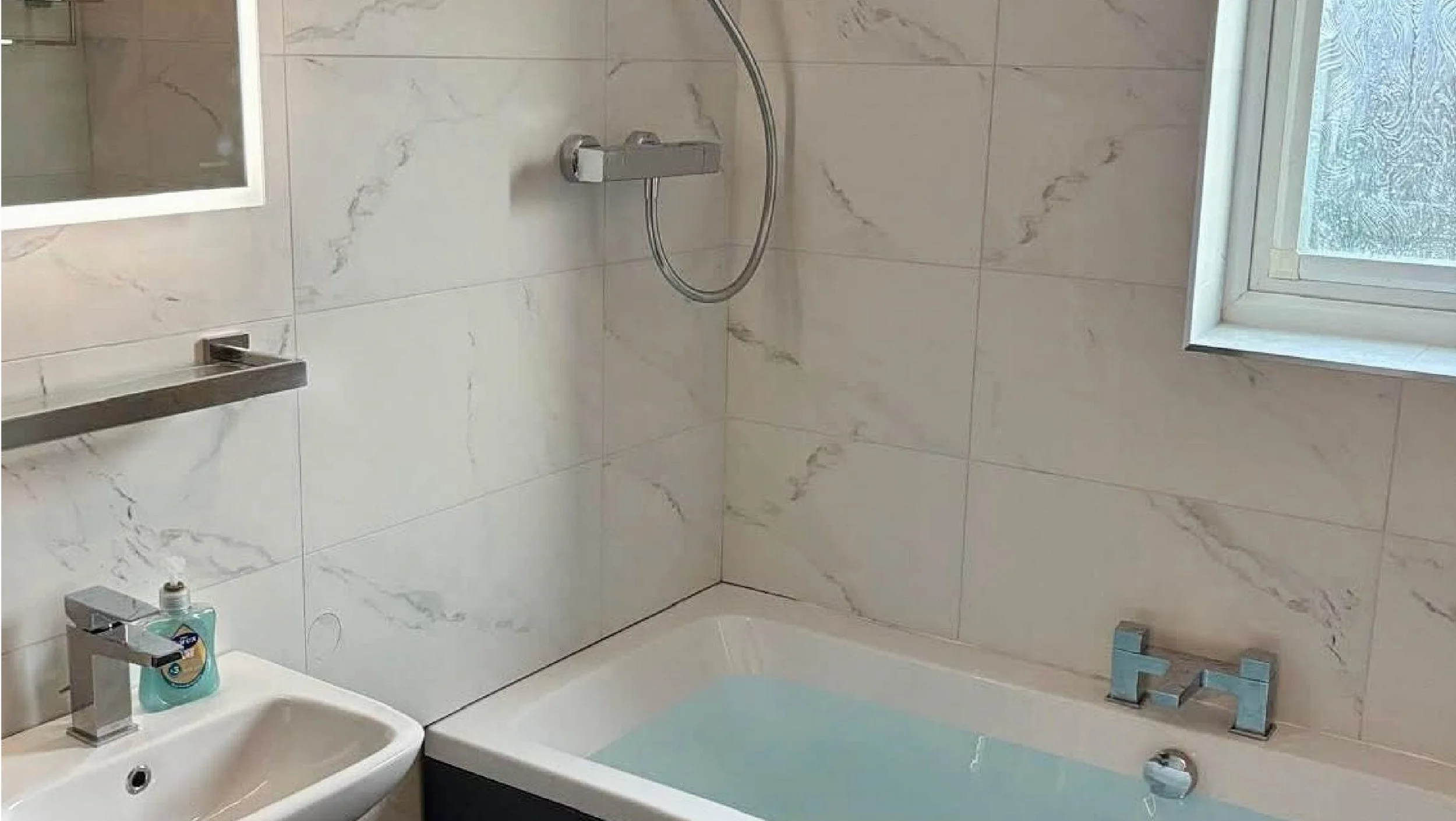
It’s often the smaller details that make a bathroom enjoyable to use every day.
Storage is a good example.
Built-in vanity units, mirrored cabinets and recessed shelving can help keep everyday essentials organised without taking up valuable floor space.
Lighting is another important consideration.
A combination of practical lighting around mirrors and softer general lighting can make the bathroom feel more comfortable and functional.
And then there’s ventilation.
Bathrooms naturally produce a lot of moisture, so suitable ventilation is important for managing condensation and reducing the risk of damp and mould.
Thinking about these details early means they can be incorporated into the overall design rather than becoming an afterthought.
6. Set a Realistic Budget
Bathroom refurbishments can vary considerably in cost depending on the size of the room, the fixtures you choose and the amount of work involved.
Replacing existing fittings in their current positions will generally be less involved than completely changing the layout and updating the plumbing.
It’s worth thinking about your budget before making too many
design decisions.
Consider the cost of:
• Baths, showers, toilets and basins
• Taps and bathroom furniture
• Tiles, flooring and finishes
• Plumbing and installation work
• Electrical work and lighting
• Any necessary repairs or preparation
It’s also sensible to allow some flexibility for unexpected issues, particularly in older bathrooms where problems may only become visible once existing fittings are removed.
Being clear about your priorities and budget from the beginning can help your installer recommend practical options.
7. Choose an Experienced Bathroom Installer
A bathroom refurbishment involves much more than fitting a new bath or replacing a few tiles.
There are several elements that need to work together, from the plumbing and drainage to the positioning of fixtures and the finishing details.
That’s why choosing an experienced installer matters.
At Allen’s Plumbing & Heating, we understand the importance of getting the practical details right, not just how the finished bathroom looks.
With over 30 years of experience behind the business, our team can help customers understand what’s involved in their bathroom refurbishment and the considerations that need to be made before work begins.
Whether you’re updating an existing bathroom or planning a more substantial transformation, having experienced professionals involved from the outset can help you make informed decisions.
Ready to Start Planning Your New Bathroom?
A bathroom refurbishment is an investment in your home, and taking the time to plan properly can make all the difference.
From choosing the right layout and fixtures to understanding the plumbing requirements, there are plenty of decisions to make before the work begins.
But you don’t have to figure everything out on your own.
At Allen’s Plumbing & Heating, we help homeowners across Colchester and the surrounding areas with their plumbing and bathroom refurbishment needs.
If you’re thinking about updating your bathroom, we’d be happy to discuss your plans and help you explore the options.
