
Repair or Replace Your Boiler? How to Know What’s Right for Your Home
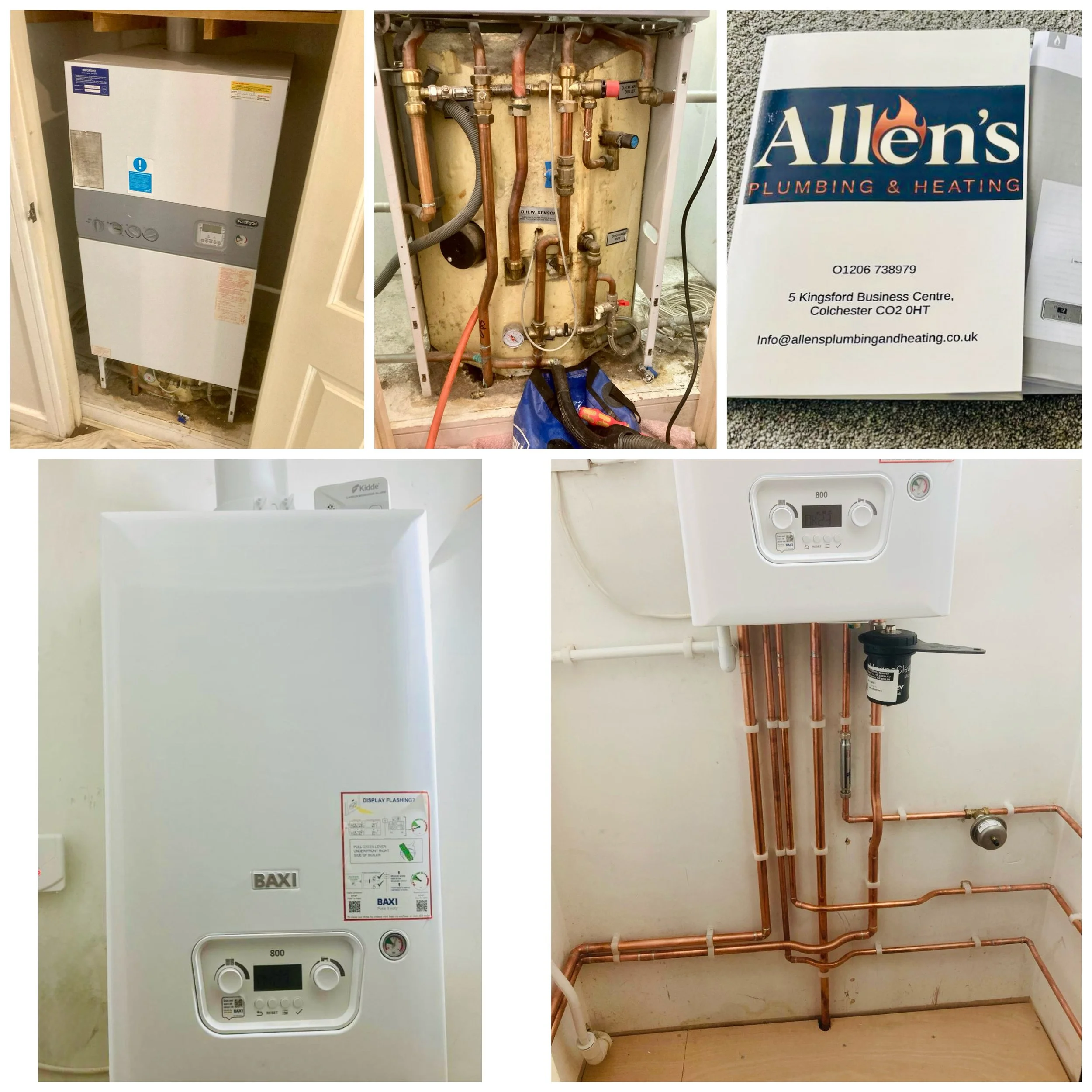
Whilst currently responding to numerous boiler breakdowns this winter, we’ve noticed one question being asked more than any other: should my boiler be repaired, or is it better to replace it?
It’s a common concern for homeowners, especially when faced with unexpected heating issues. Here, we’ll explain how to spot the signs and decide which option makes the most sense for your home.
Boilers are a major investment, so making the right decision can save you money, improve efficiency, and prevent future breakdowns.
How Old Is Your Boiler?
Age is one of the biggest deciding factors.
Under 10 years old: Repairs are usually worthwhile, especially if the boiler has been serviced regularly.
10–15 years old: This is the grey area. Minor repairs may still make sense, but efficiency is likely declining.
Over 15 years old: Replacement is often the better long-term option. Older boilers are less efficient and more prone to breakdowns.
Modern boilers are far more energy-efficient than older models, which can make a noticeable difference in running costs.
How Often Does It Break Down?
If your boiler has needed multiple repairs in a short period, it may be a sign that the system is reaching the end of its lifespan.
Ask yourself:
Have you had more than one breakdown in the past year?
Are the same problems recurring?
Is your boiler becoming unreliable during cold weather?
Frequent repairs can quickly add up and may cost more over time than replacing the boiler altogether.
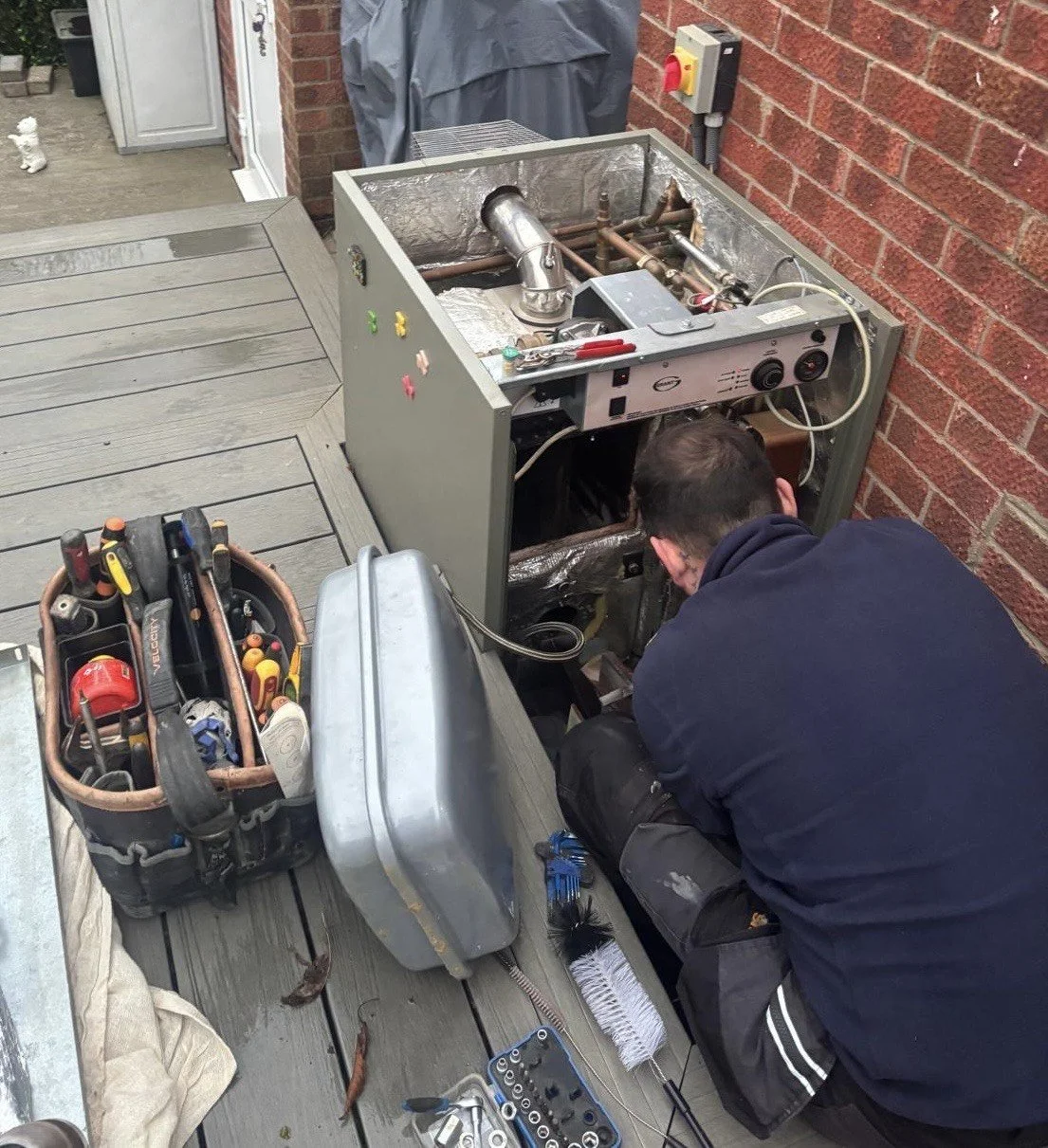
Cost of Repair vs Replacement
A good rule of thumb is the 50% rule:
If the cost of a repair is more than 50% of the cost of a new boiler, replacement is usually the smarter choice.
Small repairs such as pressure issues, thermostat faults, or valve replacements can be cost-effective. However, major component failures — such as heat exchangers — often signal it’s time to upgrade.
Energy Efficiency and Running Costs
Older boilers can be significantly less efficient, sometimes operating at 60–70% efficiency. Modern condensing boilers can achieve efficiency ratings of over 90%.
This means:
Lower energy bills
Reduced carbon footprint
More consistent heating and hot water
If your heating bills keep rising despite normal usage, an inefficient boiler may be the reason.
Availability of Replacement Parts
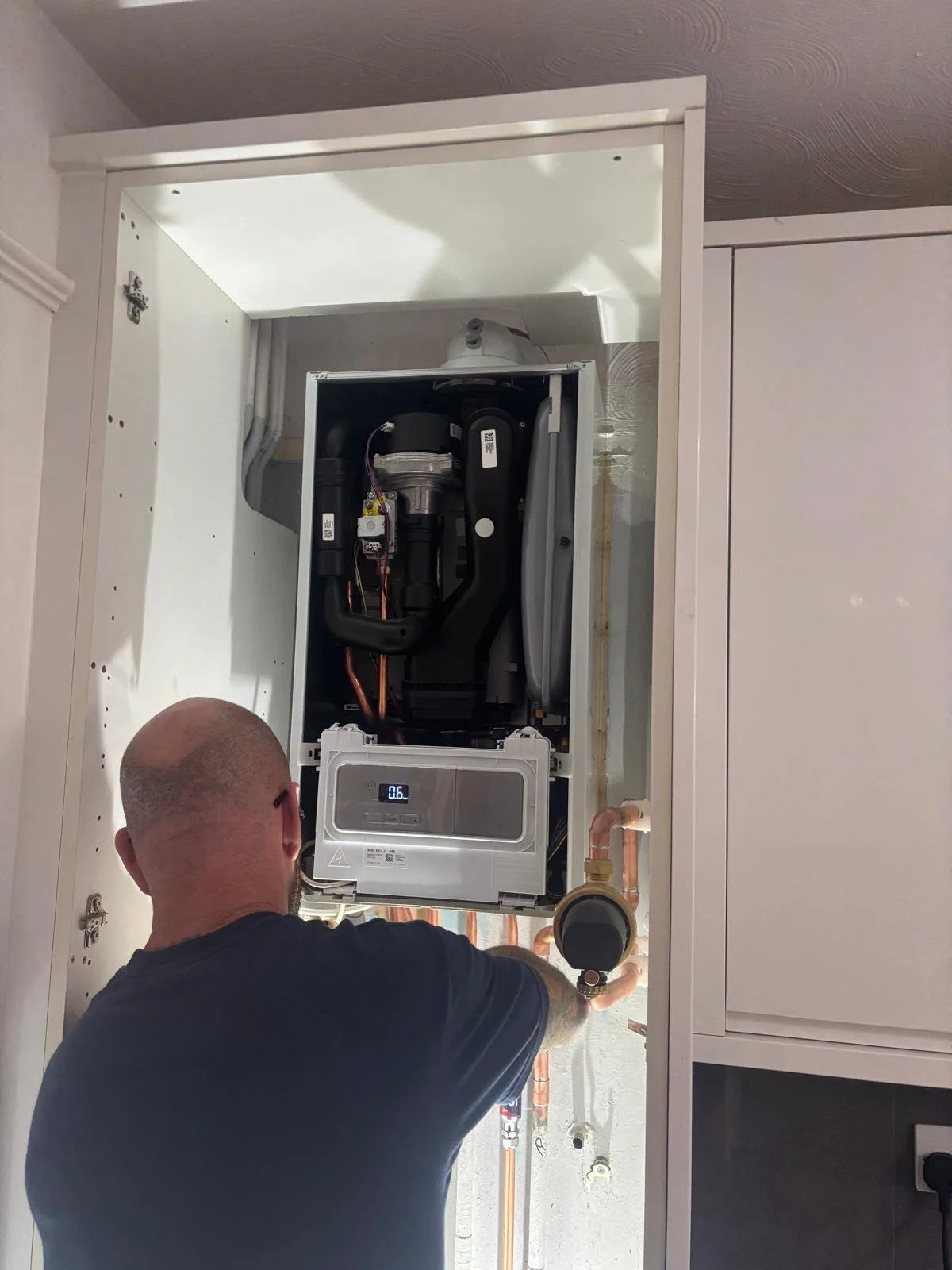
As boilers age, replacement parts can become harder to find and more expensive. In some cases, manufacturers stop producing parts altogether.
If parts are scarce or costly, repairing an old boiler may no longer be practical or economical.
Safety Considerations
Safety should never be overlooked. Older boilers may not meet current safety standards and can pose risks if not functioning properly.
Warning signs include:
Yellow or orange flames instead of blue
Strange smells or soot marks
Carbon monoxide alarms triggering
If safety concerns are present, replacing the boiler is often the safest option.
When Repairing Makes Sense
Repairing your boiler may be the right choice if:
The boiler is relatively new
The issue is minor and inexpensive
The system has a good service history
There are no safety concerns
Our qualified and experienced engineers can usually identify whether a repair will offer reliable, long-term performance.
When Replacement Is the Better Option
Replacing your boiler is usually the better choice if:
It’s over 15 years old
Repairs are frequent or costly
Energy bills are consistently high
Parts are difficult to source
You want improved efficiency and reliability
A new boiler can provide peace of mind, manufacturer warranty, better performance, and long-term savings.
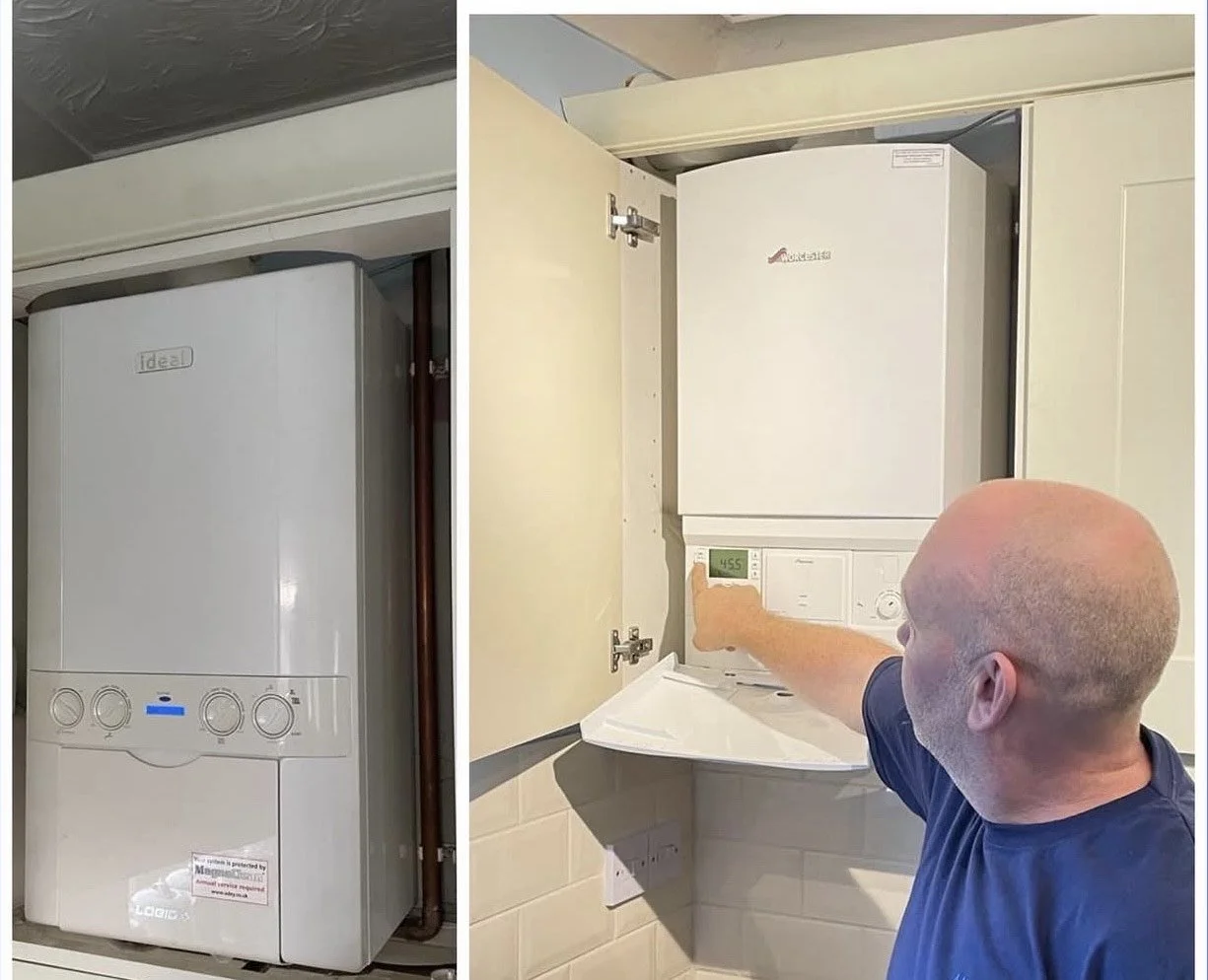
Contact Us for Professional Advice
Every home and heating system is different. Our qualified team of engineers can assess your boiler, explain your options, and help you choose the most cost-effective solution.
Whether you’re considering a repair or a replacement, expert advice ensures your home stays warm, safe, and efficient.
Final Thoughts
If your boiler is showing signs of age or inefficiency, don’t wait for a winter breakdown to force your decision. Weighing up repair costs, efficiency, and reliability now can save you stress and money in the long run.
If you’re unsure which option is best for your boiler, contact us for an honest assessment and expert guidance.
